
 0
0
 0
0
Over the past few years, Apple has become a major force in digital healthcare, using its inventive technologies and broad ecosystem to transform how healthcare is delivered and managed. Through wearables and mobile software, the company has launched numerous products and services aimed at giving people more control over their health. This article examines Apple’s role in digital health innovation and how its offerings are influencing healthcare’s direction.
Wearable Technology and Health Tracking
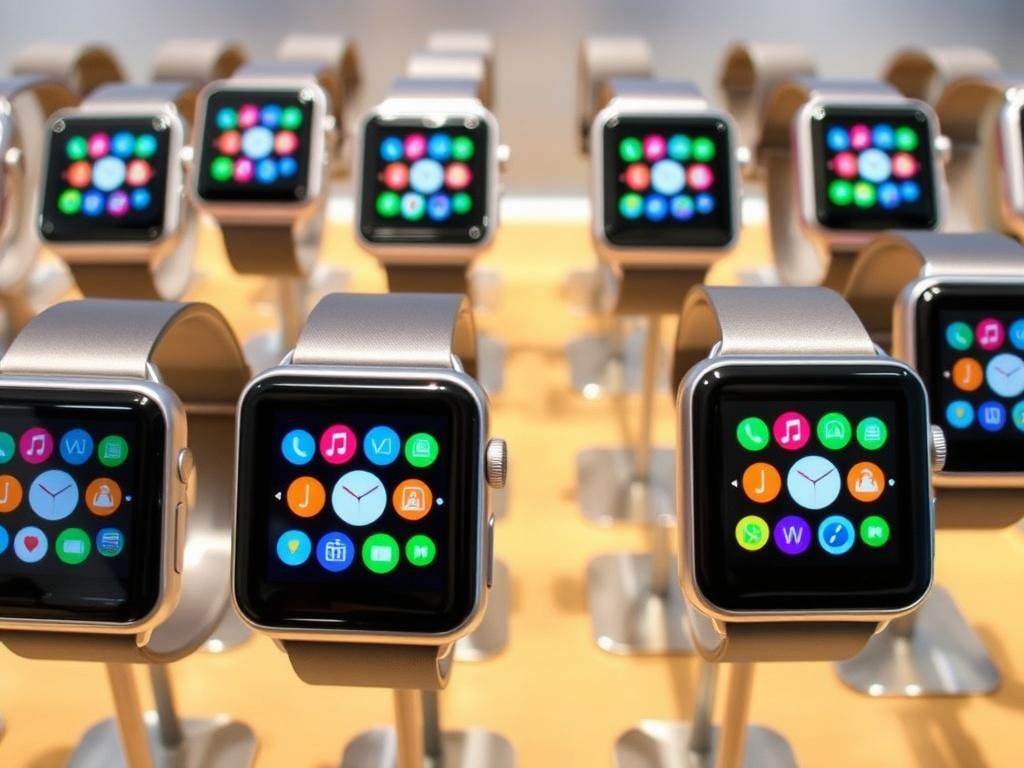
A key area where Apple has influenced digital health is its range of wearables, such as the Apple Watch and AirPods. These gadgets include sophisticated sensors and capabilities that let users keep tabs on aspects of their health like heart rate, activity, and even electrocardiogram (ECG) readings.
The Apple Watch has, in particular, gained popularity among fitness-minded and health-focused users because of its robust health monitoring features and tight integration with the iPhone and other Apple products. Features such as the Activity and Workout apps along with heart-rate tracking help users stay active, track progress, and make better-informed health decisions.
Health and Wellness Apps
Beyond its devices, Apple has invested significantly in health and wellness software, offering users extensive tools and resources to support wellness objectives. The Health app on iOS acts as a central point for storing health information, tracking fitness data, and observing health trends over time.
Furthermore, the App Store hosts a broad selection of third-party health and wellness applications that utilize Apple’s platform to provide novel approaches to mental health, mindfulness, nutrition, and sleep monitoring. By nurturing a lively app ecosystem, Apple enables people to take proactive steps toward better overall health.
Remote Health Monitoring and Telemedicine
In response to the COVID-19 crisis, Apple has broadened its emphasis on remote monitoring and telehealth, allowing patients to receive care without leaving home. Tools like the Health Records app and remote consultations via FaceTime and integrations with HealthKit make it simpler for individuals to reach clinicians and manage care from a distance.
Apple’s ResearchKit and CareKit frameworks also let researchers and healthcare providers build bespoke apps for clinical studies, patient tracking, and therapeutic interventions. These platforms could change how medical research is performed and how personalized care is delivered, improving outcomes and helping to control costs.
Privacy and Security
At the heart of Apple’s digital health strategy is a strong focus on privacy and security. With measures like end-to-end encryption, user-managed data sharing, and processing on the device, Apple aims to keep health information private and protected. This stance on safeguarding data has won praise from consumers and medical professionals, establishing Apple as a reliable collaborator in the digital health arena.
Conclusion
To sum up, Apple has had a significant effect on digital health innovation, reshaping how people manage their health and well-being. From wearables and tracking apps to remote monitoring and telehealth, Apple plays a leading role in advancing healthcare technology.
By combining cutting-edge technology, a wide-reaching ecosystem, and a commitment to privacy and security, Apple is contributing to a more accessible, tailored, and effective healthcare experience worldwide. As digital health continues to change, Apple’s influence is poised to expand, opening new possibilities for improving population health.


