
 0
0
 0
0
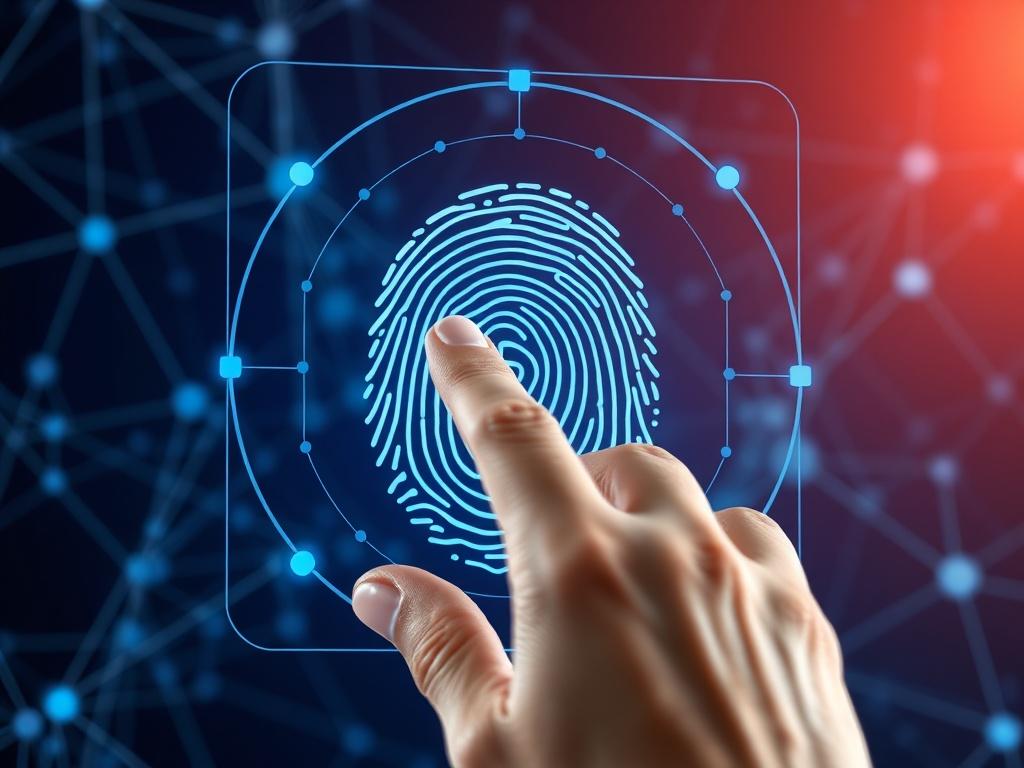
Biometric technology has become a potent means of improving both security and convenience across many sectors. Whether it’s fingerprint readers on phones or facial recognition at airports, biometrics provide a dependable way to confirm identity. This article examines recent innovations in biometric systems, their uses outside security, and the privacy and ethical issues they raise.
Progress in Biometric Authentication
Multimodal Biometric Systems
A major leap has been the creation of multimodal biometric systems that merge several biometric types to boost accuracy and protection. By combining fingerprints, iris scans, facial and voice recognition, and behavioral traits, these systems create a stronger authentication approach that is harder to deceive or impersonate. They also improve usability by letting people choose the most convenient biometric method for authentication.
Persistent Authentication
Conventional methods like passwords and PINs can be vulnerable to breaches and unauthorized use. Persistent authentication tackles this by constantly observing a user’s behavior and biometric signals during a session. Monitoring keystroke patterns, mouse motion, vocal cues, and other behavioral markers allows these systems to spot irregularities and automatically apply extra protections when suspicious behavior appears.
Biometrics Outside Security
Customization and Personalization
Outside of security, biometric tech is increasingly used to personalize services. In healthcare, it supports tailored treatment plans and dosing based on a person’s genetics and physiological traits. In retail, biometric information can customize shopping experiences, suggest products, and shape marketing to match customer preferences.
Improving User Experience
Biometric logins deliver a smooth, low-friction experience compared with traditional credentials. By removing passwords and PINs, they simplify sign-in and reduce frustration. Biometrics can be embedded in many devices and apps—smartphones, laptops, wearables, and IoT gadgets—offering consistent, convenient authentication across platforms.
Privacy and Ethical Concerns
Data Security and Privacy
Despite its advantages, biometric tech prompts serious worries about privacy and data protection. Biometric identifiers—fingerprints, iris patterns, facial photos—are extremely sensitive and must be defended against unauthorized access and abuse. Entities that gather and keep such data need strong safeguards—encryption, strict access controls, and anonymization—to protect users’ privacy and reduce the risk of breaches.
Ethical Use of Biometrics
Broad deployment of biometric systems brings up ethical issues around consent, transparency, and fairness. Organizations should secure informed consent before collecting biometric information and plainly explain how the data will be used and safeguarded. In addition, steps are necessary to avoid bias in biometric algorithms, which can yield errors or unfairly affect particular demographic groups.
Conclusion
Biometric technology is progressing swiftly, creating fresh possibilities to strengthen security, tailor services, and improve user interactions across industries. From multimodal approaches to ongoing authentication, biometrics furnish a convenient, secure way to confirm identity and shield sensitive data. Yet as these technologies spread, tackling privacy and ethical challenges is crucial to ensure responsible use. Emphasizing data protection, openness, and fairness lets us realize biometrics’ benefits while upholding personal privacy and rights.


