
 0
0
 0
0
The world of competitive online gaming has transformed significantly in recent years, with professional leagues and tournaments emerging that compete with conventional sports in both popularity and audience size. In this piece, we examine the expansion of competitive gaming leagues and tournaments, looking at the forces behind their rise and the effects they have on the broader gaming sector.
The Rise of Esports Leagues
Professionalization of Gaming
As competitive gaming has entered the mainstream, the industry’s professional standards have accelerated. Esports organizations like the Overwatch League, League of Legends Championship Series (LCS), and Call of Duty League have been created to offer formal structures for top-tier competition. These leagues mirror traditional sports formats, featuring teams, players, coaches, and support staff engaged in scheduled contests.
Broadcast and Media Partnerships
Strategic alliances with broadcasters and media outlets have supported the expansion of esports leagues. Major television networks, streaming services, and sports channels have seen the appeal of esports programming and purchased rights to present competitive gaming events to worldwide viewers. This broader visibility has bolstered esports’ credibility as mainstream entertainment and drawn new audiences to the scene.
The Expansion of Tournament Circuits
Global Tournament Circuit
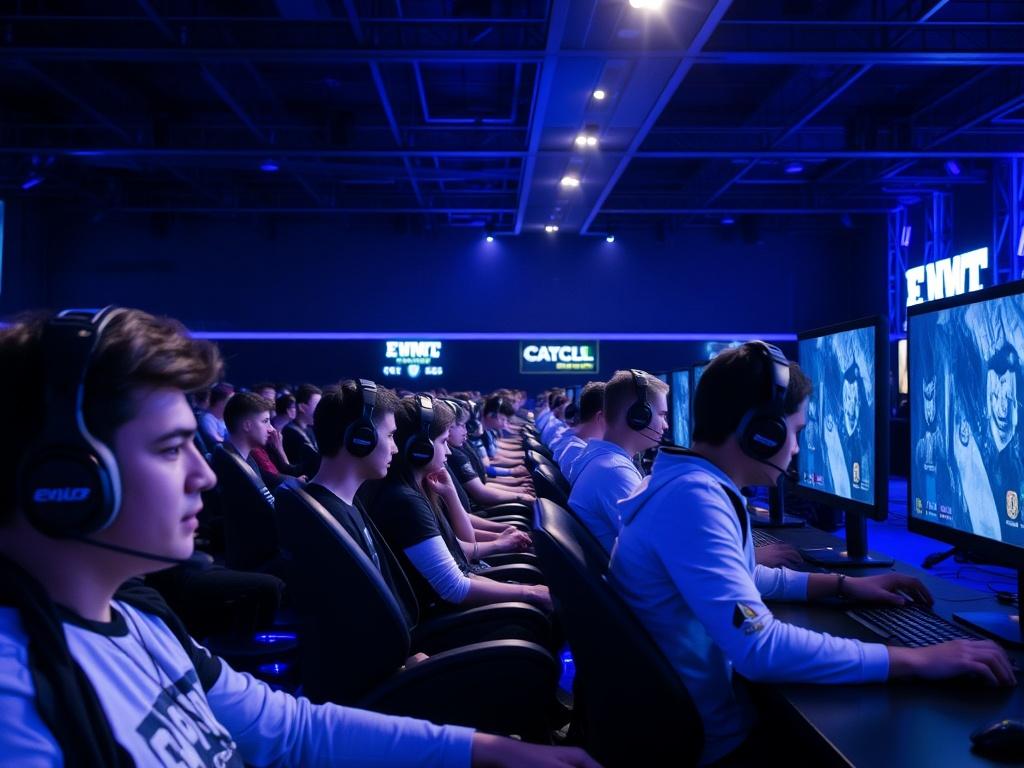
Besides professional leagues, tournament circuits covering numerous games and genres have proliferated. Competitions like Intel Extreme Masters (IEM), DreamHack, and the Evo Championship Series gather competitors worldwide to battle in first-person shooters, MOBAs, fighting games, and battle royales. These events feature large prize pools, prestige, and chances for players to demonstrate their talents on an international platform.
Grassroots and Community Events
Alongside flagship tournaments, grassroots and community-led events remain vital to the competitive gaming landscape. Local LANs, amateur contests, and online cups give up-and-coming players a place to gain experience, hone their abilities, and meet peers. Often serving as gateways to the pro circuit, these community events help nurture talent and expand the esports ecosystem.
Impact on the Gaming Industry
Economic Growth and Investment
The rise of esports leagues and tournaments has driven substantial economic activity within gaming. Income from sponsorships, advertising, ticketing, merchandise, and media rights has produced profitable prospects for players, teams, promoters, and related parties. Furthermore, investments from traditional sports franchises, public figures, and venture capitalists have accelerated esports’ global growth and professional development.
Cultural and Social Impact
Beyond financial effects, competitive online gaming has left a significant cultural and social imprint. Esports has become a cultural force, influencing fashion, music, entertainment, and mainstream culture. The emergence of esports stars and personalities has fostered devoted fanbases, content creators, and influencers who drive discussions about gaming and esports across digital and real-world spaces.
Conclusion
The expansion of competitive online gaming leagues and tournaments marks an important chapter in the gaming industry’s evolution. As esports continues to build momentum, these leagues and competitions will increasingly shape gaming’s future, encouraging innovation, diversity, and inclusion within the ecosystem. By promoting competition, community, and teamwork, esports events give players a stage to display their skills, captivate audiences, and broaden the possibilities of what gaming can accomplish.


