
 0
0
 0
0
If you’re hunting for The Best Smart Home Devices for Modern Living, start with things that solve real annoyances rather than gadgets that impress guests. A well-chosen device should save time, increase safety, or quietly make daily routines smoother. This article walks through practical categories, real-world examples, and a few rules I’ve learned installing smart tech in my own home.
Why invest in connected devices?
Smart home devices can reduce friction in daily life — think of them as small problem solvers that run in the background. Rather than automating for the sake of novelty, aim for automation that replaces repetitive tasks: lights that follow your schedule, thermostats that learn occupancy patterns, and locks you can check from anywhere.
There’s value beyond convenience: many devices improve energy efficiency and security, which translates into lower bills and fewer sleepless nights. In my experience, the first months after installing a smart thermostat and smart lights felt like an upgrade to the whole house; the savings and peace of mind became obvious quickly.
Smart speakers and hubs
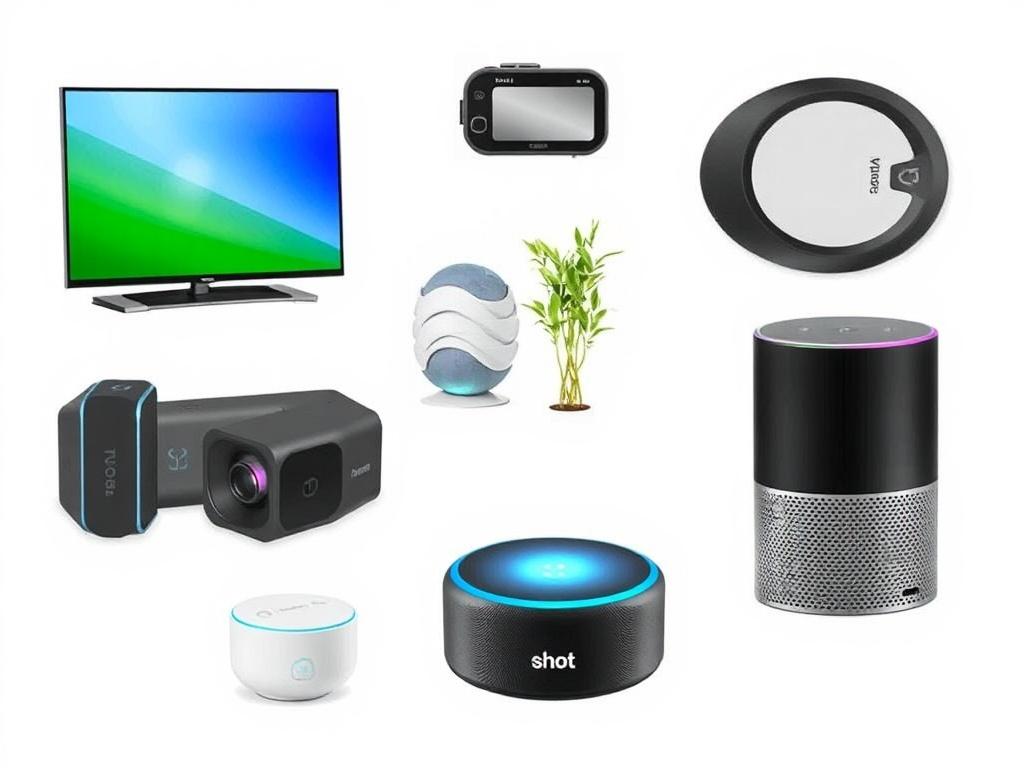
Smart speakers are the most common entry point because they combine voice control, music, and a hub for other devices. Popular choices include Amazon Echo, Google Nest Audio, and Apple HomePod; pick one that aligns with your preferred ecosystem and privacy comfort level.
The right speaker can centralize control and simplify routines — I use voice commands for quick tasks and a tablet for complex automations. Below is a quick comparison to help decide which assistant fits your priorities.
| Assistant | Strength | Consideration |
|---|---|---|
| Amazon Alexa | Largest device compatibility and skills library | Requires Amazon ecosystem for best experience |
| Google Assistant | Best at natural language and search integration | Tightest integration with Google services |
| Apple Siri/HomeKit | Strong privacy and smooth Apple device integration | Fewer third-party devices support HomeKit |
Smart lighting and switches
Lighting is one of the easiest and most rewarding upgrades — smart bulbs and switches let you set scenes, schedule routines, and save energy without sacrificing convenience. Philips Hue remains a go-to for color, while LIFX offers bright bulbs that don’t need a separate hub.
For whole-home control, consider smart switches instead of bulbs so guests and wall switches keep working normally. When I swapped several switches to smart dimmers, the house felt more intentional: evening lighting routines now set the mood automatically and lower power use.
Climate control: thermostats, vents, and sensors
A smart thermostat is worth strong consideration because heating and cooling account for a large share of home energy use. Devices like Google Nest and Ecobee learn patterns, use remote sensors for cold spots, and let you adjust settings from anywhere to avoid wasted HVAC cycles.
Beyond thermostats, zoning systems and smart vent controllers help if your home has uneven temperatures. I installed a remote sensor in a warm upstairs bedroom and saw both comfort and efficiency improve; the home no longer overheats when some rooms are empty.
Security: cameras, doorbells, sensors, and locks
Security tech delivers both prevention and evidence: doorbell cameras, outdoor cameras, window and motion sensors, and smart locks work together to keep you informed and in control. Choose devices with local storage or a clear privacy policy if you worry about cloud access and data sharing.
I had an overnight package theft a year ago; a doorbell camera caught the footage and later helped recover the item. That incident convinced me to prioritize reliable notifications, night vision, and easy access to clips when evaluating security devices.
Kitchen and cleaning: smart appliances and robots
The kitchen is catching up fast with smart refrigerators, ovens, and coffee makers that integrate with assistants and apps. While a fully connected kitchen can be convenient, prioritize appliances that genuinely simplify routine tasks rather than flashy features you’ll seldom use.
Robot vacuums and smart plugs often provide the most immediate payoff: a scheduled vacuum keeps floors tidy without thinking, and smart plugs add automation to older appliances. I set my robot to run during weekday work hours and have reclaimed an hour or two of weekend cleaning time.
How to choose devices that work together
Interoperability is the most important long-term consideration: pick a primary ecosystem (Amazon, Google, or Apple) and check compatibility before buying. A mixed environment with multiple protocols (Wi‑Fi, Zigbee, Z‑Wave, Thread) can work, but expect a steeper learning curve and occasional troubleshooting.
Here are practical tips to keep things manageable:
- Start small: automate one room or function before expanding.
- Prefer devices from reputable brands with firmware updates and clear support.
- Document Wi‑Fi credentials and device names to avoid confusion later.
Smart choices for a smarter home
Smart home technology should feel like a helpful houseguest — present when you need it, unobtrusive when you don’t. Focus on devices that solve real problems: better comfort, stronger security, and time saved on chores.
Take these upgrades step by step, test compatibility, and prioritize quality over novelty; the result will be a living space that responds to you, rather than one that demands constant tinkering. Your home should adapt to your life, and with thoughtful choices, it will do exactly that.


